
Why Mineral Sunscreen is the Best Choice for Your Skin

When it comes to protecting your skin from the harmful effects of the sun, sunscreen is an essential part of your daily routine. With so many options available, it’s important to choose the right type of sunscreen for your skin. One of the best options for both protection and skin health is mineral sunscreen. At Atlantic Dermatology, we want to help you make informed decisions about your skincare routine, which is why we’re diving into the benefits and importance of using mineral sunscreen.
What is Mineral Sunscreen?
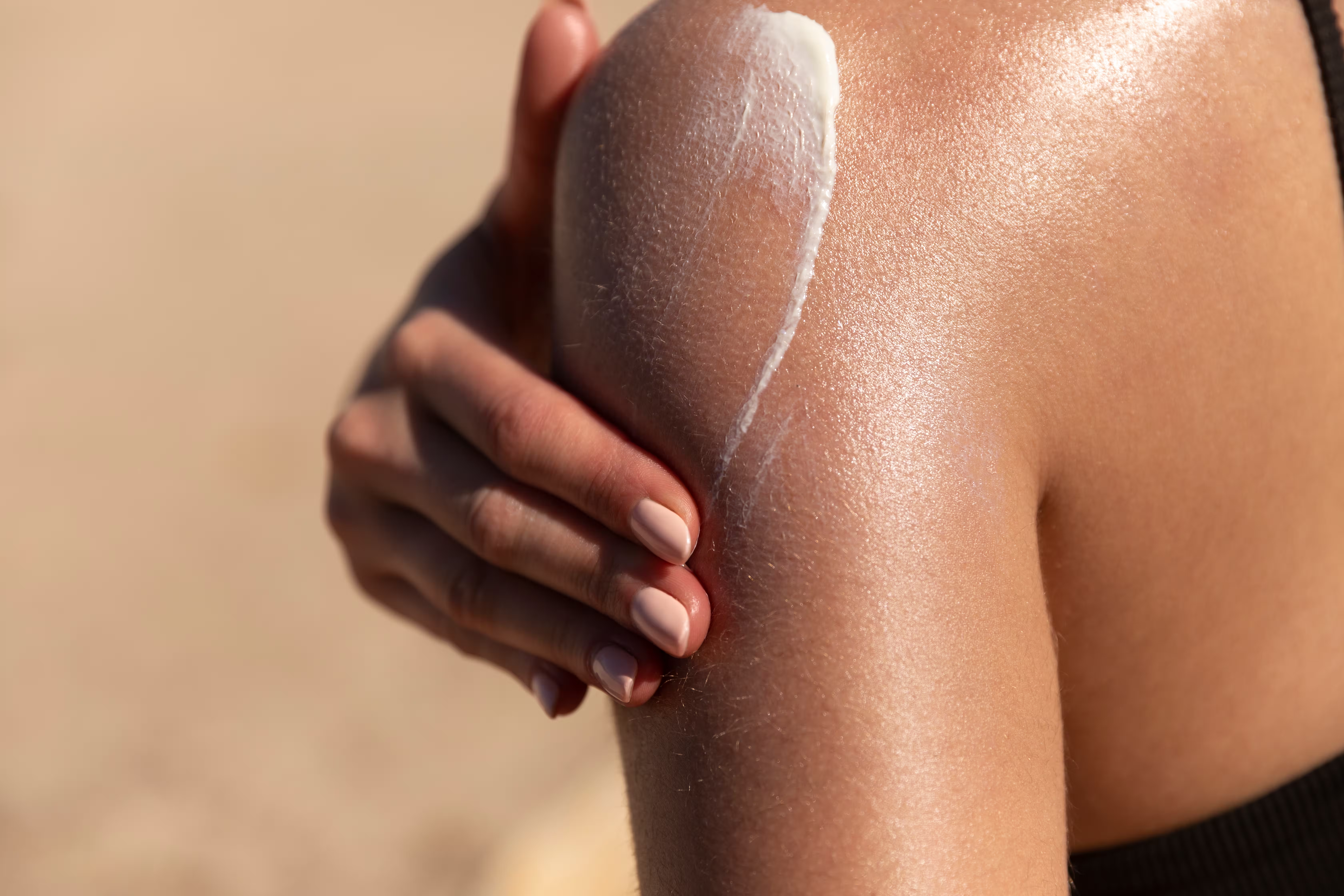
Mineral sunscreen, also known as physical sunscreen, is a type of sun protection that uses active mineral ingredients—zinc oxide and titanium dioxide—to create a physical barrier on the skin that reflects harmful UV rays. Unlike chemical sunscreens, which absorb UV rays and convert them into heat, mineral sunscreens work by sitting on top of the skin and deflecting UV radiation away from the skin’s surface.
Mineral sunscreens are available in a variety of formulations, from lotions and sprays to sticks and tinted versions. They provide broad-spectrum protection, meaning they shield the skin from both UVA and UVB rays, which are responsible for premature aging and sunburn, respectively.
How Does Mineral Sunscreen Work?
Mineral sunscreens rely on two main ingredients: zinc oxide and titanium dioxide. These naturally occurring minerals work by forming a physical barrier on the skin’s surface, which reflects UV rays rather than absorbing them.
- Zinc Oxide: This mineral is widely considered the gold standard in sunscreen ingredients due to its ability to provide broad-spectrum protection. Zinc oxide is particularly effective against both UVA and UVB rays and is gentle on sensitive skin. It’s often found in formulations recommended for children and those with skin conditions like rosacea or eczema.
- Titanium Dioxide: Titanium dioxide is also effective in providing broad-spectrum sun protection but is generally less effective against UVA rays compared to zinc oxide. It’s still a great option for protecting the skin and is commonly used in mineral sunscreen formulations, particularly for sensitive skin types.
The combination of these minerals forms a layer on the skin that scatters and reflects UV rays, providing a highly effective, natural form of protection. Unlike chemical sunscreens that can sometimes irritate the skin, mineral sunscreens are generally much gentler, making them ideal for sensitive skin.
Benefits of Mineral Sunscreen
- Non-Irritating and Safe for Sensitive Skin
One of the main advantages of mineral sunscreen is that it’s typically less irritating compared to chemical sunscreens. Because it sits on top of the skin rather than absorbing into it, mineral sunscreen is less likely to cause skin irritation or allergic reactions. This makes it a fantastic option for people with sensitive skin, including those with conditions like eczema, rosacea, or acne.
- Provides Broad-Spectrum Protection
Mineral sunscreens offer broad-spectrum protection, meaning they shield your skin from both UVA and UVB rays. UVA rays are responsible for skin aging (wrinkles, fine lines) and the breakdown of collagen, while UVB rays are the main cause of sunburn and can contribute to skin cancer. By using a mineral sunscreen, you are ensuring protection against both types of harmful rays.
- Immediate Protection
Unlike chemical sunscreens, which require about 20 minutes to start working, mineral sunscreens provide immediate protection as soon as they’re applied. This makes them a convenient and effective choice for outdoor activities and daily use.
- Environmental Friendly
Mineral sunscreens are better for the environment compared to their chemical counterparts. Some chemical sunscreens contain ingredients like oxybenzone and octinoxate, which have been shown to harm coral reefs. Mineral sunscreens, on the other hand, are reef-safe and do not cause damage to marine ecosystems, making them a more eco-friendly option.
- Less Likely to Clog Pores
Because mineral sunscreens do not absorb into the skin, they are less likely to clog pores, making them an excellent choice for people with acne-prone skin. Mineral formulations are typically non-comedogenic, meaning they won’t block pores or lead to breakouts.
- Long-Lasting Protection
Mineral sunscreen tends to be more resistant to water and sweat compared to chemical sunscreens, which makes it a great choice for outdoor activities like swimming or hiking. While no sunscreen is entirely waterproof, mineral sunscreen is often labeled as water-resistant for up to 40-80 minutes, providing longer-lasting protection.
How to Use Mineral Sunscreen
To ensure you’re getting the best protection, follow these tips for applying mineral sunscreen:
- Apply Generously: Use about a nickel-sized amount for your face and about an ounce (a shot glass full) for your body. Make sure to cover all exposed areas, including your ears, neck, and the tops of your feet.
- Reapply Every 2 Hours: Sunscreen can wear off due to sweating, swimming, or towel-drying, so be sure to reapply every two hours, or more frequently if needed.
- Use Sunscreen Year-Round: UV rays can damage your skin even on cloudy days or during winter months. Make sunscreen a part of your daily skincare routine, even when you're indoors, as windows don’t block all UV rays.
- Consider Tinted Sunscreen: Tinted mineral sunscreens offer added protection by blocking visible light, which can contribute to pigmentation and skin aging. This makes them an excellent option for those with melasma or dark spots.
Mineral Sunscreen is Recommended by Atlantic Dermatology in Longs, SC
Mineral sunscreen is an excellent choice for those looking for a gentle yet effective form of sun protection. With its ability to protect against both UVA and UVB rays, its non-irritating nature, and its eco-friendly benefits, it’s a great option for individuals with all skin types. At Atlantic Dermatology, we recommend incorporating mineral sunscreen into your daily skincare routine to help prevent sun damage and maintain healthy, youthful skin. Our dermatologists can guide you in selecting the best sunscreen for your specific needs, so contact us today to learn more about the best sun protection options for your skin.
Read More Blogs!
Stay updated with the latest blog posts and engage with our community.