
Skin cancer diagnosis and treatment
Early Skin Cancer Diagnosis and Treatment at Atlantic Dermatology, Inc. in Longs, SC. Expert evaluation, biopsy, and advanced treatment options.
Call Today!.png)
Early Detection. Expert Treatment. Lifesaving Care.
At Atlantic Dermatology, Inc., we provide comprehensive Skin Cancer Diagnosis and Treatment to detect and treat skin cancer at its earliest stages. Our experienced dermatology team uses advanced diagnostic tools and evidence-based treatment options to ensure accurate diagnosis and personalized care. Early detection and prompt treatment are key to achieving the best outcomes and protecting your long-term health.
What Is Skin Cancer Diagnosis and Treatment?
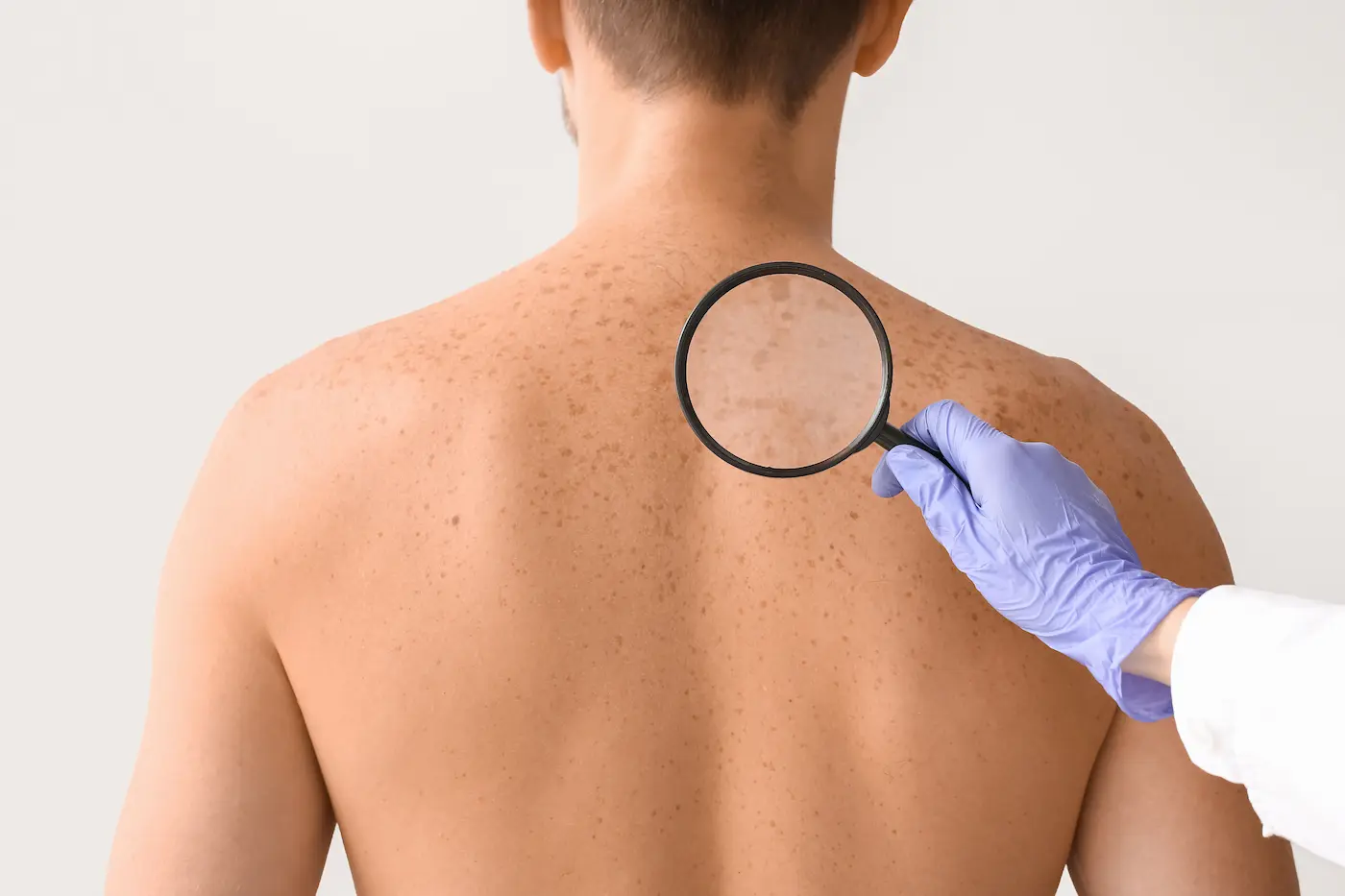
Skin Cancer Diagnosis and Treatment involves the identification, evaluation, and management of abnormal skin growths that may be cancerous. Diagnosis typically begins with a thorough skin examination and may include a skin biopsy for microscopic evaluation. Once confirmed, treatment options are tailored based on the type, size, depth, and location of the cancer to ensure effective removal and minimize recurrence.
How Skin Cancer Diagnosis and Treatment Works
Skin Cancer Diagnosis and Treatment begins with a comprehensive skin exam to identify suspicious moles or lesions. If needed, a biopsy is performed to determine whether cancer cells are present. Based on the results, treatment options may include surgical excision, Mohs surgery, cryotherapy, topical medications, or other dermatologic procedures. Our team develops a personalized treatment plan designed to completely remove cancerous tissue while preserving as much healthy skin as possible.
Conditions Treated with Skin Cancer Diagnosis and Treatment
Skin Cancer Diagnosis and Treatment addresses multiple forms of skin cancer and precancerous lesions.
Skin Cancer Diagnosis and Treatment may treat:
- Basal cell carcinoma
- Squamous cell carcinoma
- Melanoma
- Actinic keratosis (precancerous lesions)
- Recurrent skin cancers
- Suspicious or atypical moles
- Rapidly growing or changing skin lesions

FAQ
FAQs
Answers to your frequently asked questions.